The Mental Trap Of Believing You Have Read An Opponent
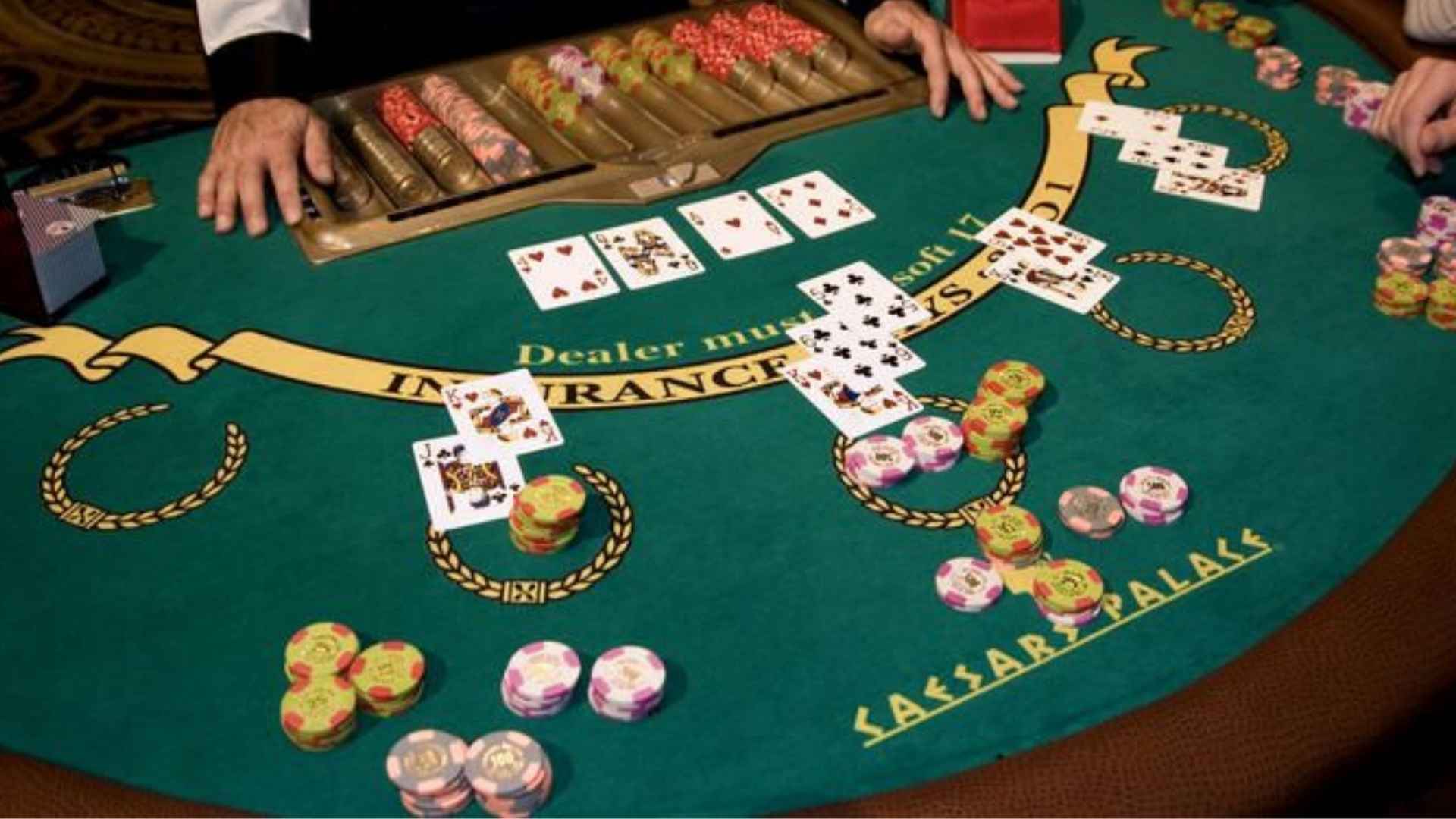
In competitive poker, few feeling are as satisfying as believing you have completely decoded an opponent's strategy. However, overconfidence in a single physical tell or behavioral observation can quickly lead to disastrous tactical errors. Understanding the mental trap of believing you have read an opponent helps players avoid costly assumptions at the table.
The Danger of Confirmation Bias
When a player decides an opponent always bluffs in a specific scenario, they begin looking only for evidence that supports this theory. They ignore conflicting signals, such as changes in bet sizing or timing, which leads to flawed decision-making. Over time, this cognitive shortcut transforms a tentative observation into an absolute truth.
This mental mistake often causes players to make high-risk calls with weak hands. By assuming the rival is always predictable, they overlook the possibility that the opponent has adapted. Recognizing confirmation bias is the first step toward maintaining an objective mindset during complex hands.
How False Confidence Distorts Perception
Believing you possess a perfect read creates a false sense of security that overrides fundamental mathematical strategy. Players often prioritize psychological guesswork over pot odds, position, and hand ranges. This reliance on intuition over logic frequently results in unnecessary losses against skilled players.
Experienced competitors frequently use a stable m88 link to analyze diverse playing styles and test strategic theories. Observing high-level play shows that consistent winners rely on structured ranges rather than isolated reads. Maintaining humility prevents emotional conviction from replacing sound tactical execution.
The Power of Intentional Deception
Strong opponents understand that observant players are watching for physical and behavioral patterns. They intentionally display false tells or vary their timing to plant incorrect assumptions in your mind. Falling for these deliberate traps is a direct result of assuming your read is accurate.
When an opponent realizes you think you have them figured out, they can manipulate your actions with ease. They may bait you into making aggressive raises right into their strongest holdings. Remaining skeptical of obvious tells protects you from falling into engineered psychological traps.
Developing a Balanced Range-Based Mindset
Instead of trying to put an opponent on one exact hand or intention, top strategists think in terms of probability distributions. A range-based approach accounts for bluffs, value bets, and marginal hands simultaneously. This flexible framework prevents you from overcommitting to a single speculative read.
Adapting your perspective as new information becomes available is essential for long-term consistency. Every action taken at the table provides updated data that should refine, rather than finalize, your assessment. Embracing strategic flexibility allows you to stay ahead in fast-paced card games.